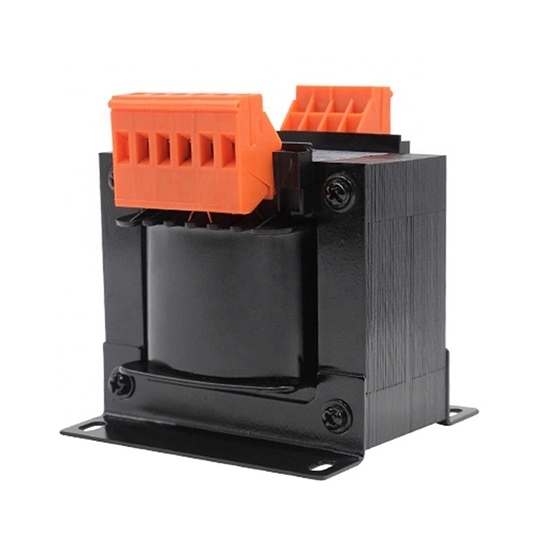
Single Phase Pole Mounted Distribution Transformer, 10 kVA/25 kVA/100kVA

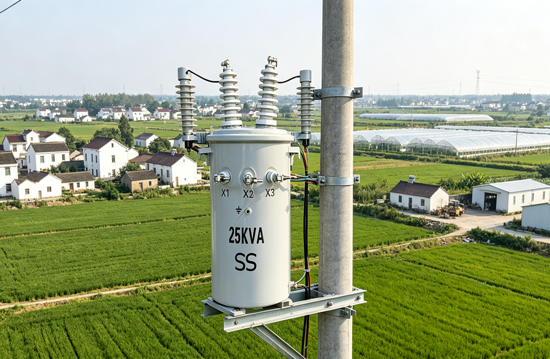
Single phase pole-mounted dstribution transformer
1 phase pole-mounted dstribution transformer
Pole mounted dstribution transformer

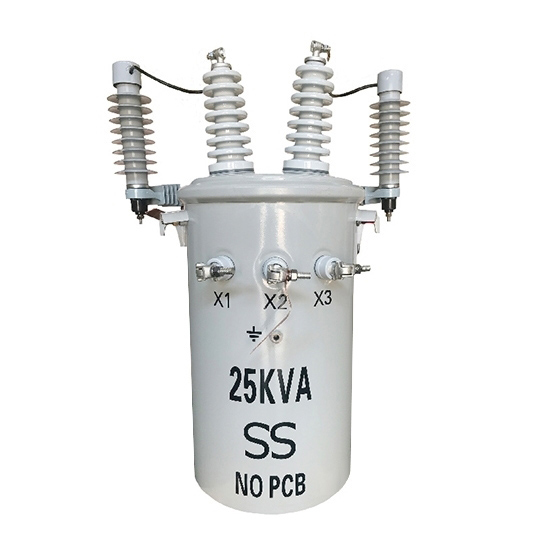
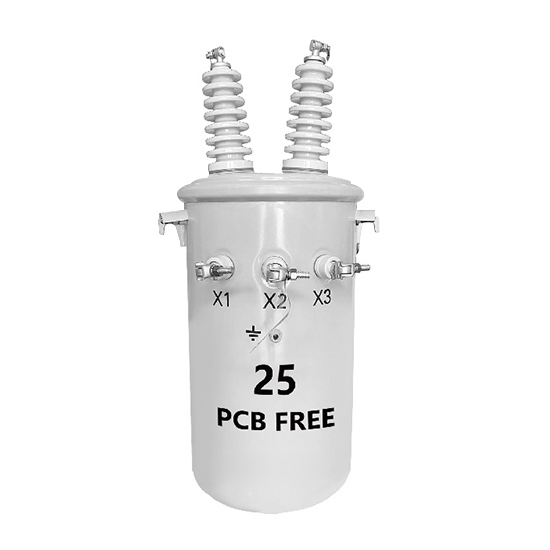
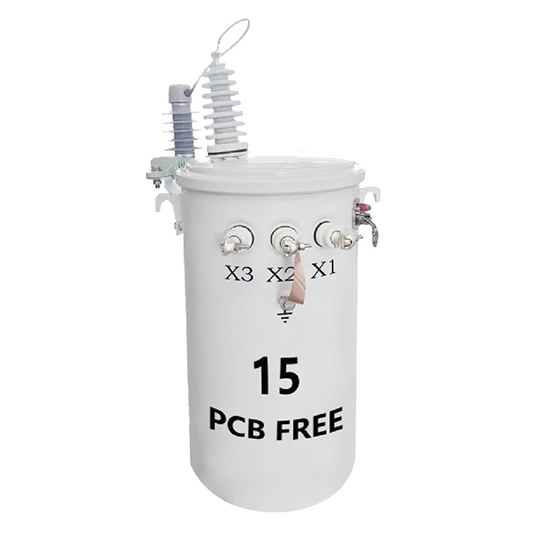
As a professional single phase pole mounted distribution transformer supplier, we specialize in producing reliable DTR transformers for utility, residential, and rural power distribution applications. Designed according to ANSI C57.12.20 standards, our factory supplies CSP and conventional types with CRGO or amorphous cores and copper/aluminum windings. Available from 5kVA to 167kVA, with customizable primary voltages of 2,400–19,920V and secondary voltages of 120–600V, these pole mounted distribution transformers deliver efficient, safe, and long-lasting power solutions.

Specification

Applicable Standard ANSIC57.12.20
Type Completely Self Protected
Type&Conventional Type
Frequency 60Hz, 50Hz
Efficiency Standard DOE 2016, CSA 802.1, TP1 etc
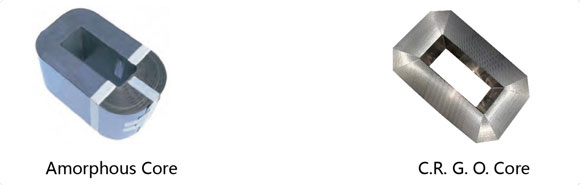
Core C.R.G.O Core & Amorphous Core
Winding Cu-Cu, Cu-Al, AI-AI
Taps No taps, ±2*2.5%, +1, - 3*2.5%, 0, - 4*2.5% etc
Product scope kVA: 5-167
Primary Voltage 2400-19920V
Secondary Voltage 120-600V


Technical Specifications

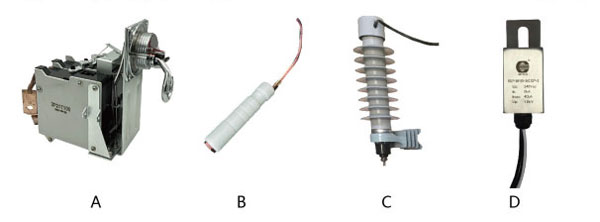
Completely Self Protected Type

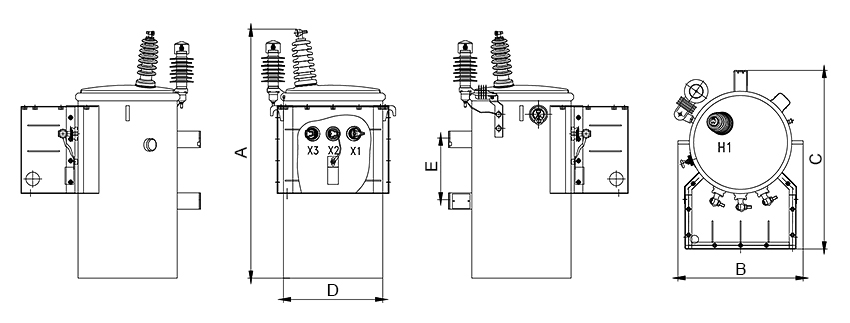
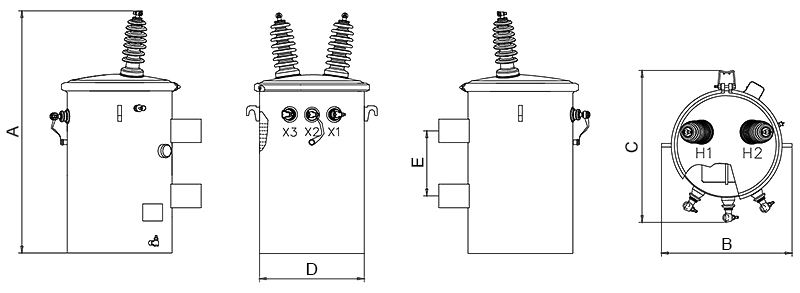
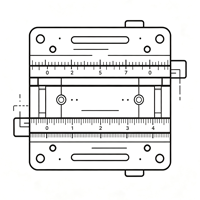
Pole mounted distribution transformer size

Typical Losses and Efficiency (C.R.G.O Core)

Rating (kVA) HV (kV) Tap (%) LV (V) Loss (W) Dimension (mm) Weight (kg)
No Load Full Load A B C D E Oil Weight Total Weight
15 7.2 ±1/-3*2.5% 120–240 60 180 1040 530 770 410 286 45 175
25 100 300 1040 530 775 410 286 46 178
37.5 113 413 1100 580 830 460 286 59 247
50 150 500 1180 580 830 460 286 62 294
75 225 750 1290 616 880 496 591 84 372
15 19.92 ±2*2.5% 120–240 58 185 1180 580 650 460 286 76 194
25 78 325 1155 580 660 460 286 75 217
37.5 100 480 1250 620 691 496 286 90 270
50 125 660 1235 645 725 524 286 109 308
75 165 900 1300 680 780 560 591 122 394

Typical Losses and Efficiency (Amorphous Core)

Rating (kVA) HV (kV) Tap (%) LV (V) Loss (W) Dimension (mm) Weight (kg)
No Load Full Load A B C D E Oil Weight Total Weight
10 7.62 ±2*2.5% 120–240 17 110 940 580 650 460 286 62 186
15 22 142 1020 580 650 460 286 64 220
25 33 210 1025 680 755 560 286 99 318
37.5 43 305 1060 730 805 610 286 120 393
50 50 410 1130 730 805 610 286 130 451
75 65 580 1280 780 875 660 591 154 560
10 19.92 ±2*2.5% 120–240 12.5 260 1075 480 550 360 286 44 134
15 15.5 395 1085 500 580 380 286 44 150
25 24 500 1085 580 655 460 286 47 215
37.5 32 680 1245 580 655 460 286 69 282
50 38 800 1260 616 691 496 286 96 340
75 60 1030 1330 680 775 560 591 115 428

Conventional Type

Pole mounted distribution transformer size

Typical Losses and Efficiency (C.R.G.O Core)

Rating (kVA) HV (kV) Tap (%) LV (V) Loss (W) Dimension (mm) Weight (kg)
No Load Full Load A B C D E Oil Weight Total Weight
15 7.97 ±1/-3*2.5% 120–240 55 140 1055 530 600 410 286 51 176
25 73 240 1085 580 660 460 286 68 231
37.5 101 331 1150 616 695 496 286 86 288
50 115 430 1155 645 725 524 286 96 337
75 152 600 1235 680 780 560 591 114 425
100 181 900 1240 730 860 610 591 144 504
167 266 1400 1450 900 950 660 591 197 753
15 19.92 +0/-4*2.5% 120–240 55 140 1125 580 650 460 286 72 210
25 73 240 1160 616 695 496 286 86 255
37.5 101 331 1235 645 720 524 286 104 311
50 115 430 1240 680 760 560 286 119 368
75 152 600 1305 730 830 610 591 148 485
100 181 900 1340 730 855 610 591 153 537
167 266 1400 1530 900 950 660 591 205 784

Typical Losses and Efficiency (Amorphous Core)

Rating (kVA) HV (kV) Tap (%) LV (V) Loss (W) Dimension (mm) Weight (kg)
No Load Full Load A B C D E Oil Weight Total Weight
5 7.62 ±2*2.5% 120–240 8 75 835 450 520 330 286 23 92
10 12 120 895 480 550 360 286 28 133
15 15 195 915 500 570 380 286 34 149
25 18 290 985 530 605 410 286 41 215
37.5 30 360 1015 580 655 460 286 52 270
50 32 500 995 645 720 524 286 66 318
75 45 650 1115 680 780 560 591 86 440
100 50 850 1110 730 860 610 591 93 560
167 65 1410 1215 925 950 660 591 114 846
10 14.4 ±2*2.5% 120–240 12.5 260 1000 480 550 360 286 35 116
15 15.5 395 1020 480 550 360 286 35 129
25 24 500 1030 530 605 410 286 44 174
37.5 32 625 1080 580 650 460 286 59 231
50 38 800 1150 616 690 496 286 80 282
75 60 1000 1250 680 775 560 591 112 404


Two Types of Cores

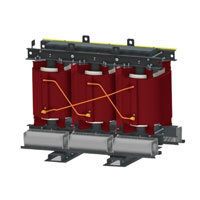
Pole mounted distribution transformer two core

Advantages

Source Factory

Quality Assurance

Excellent Material


Fast Delivery

Multiple Models

Great Service

Design Key Points

  1. Cores. We can provide single phase isolation transformers comprising laminated or toroidal cores. The laminated cores feature several alternating layers of steel laminations, as well as insulations. These insulated cores help confine eddy currents and reduce the effect of magnetizing currents.
  2. Mounting. The isolation transformers can be provided in various mounting configurations. These isolation power transformers are widely used for circuit board applications, and they transfer voltages between different circuits.
Focus on isolation transformer quality

Focus on Quality

As the Chinese power transformer manufacturer, we are constantly innovating and introducing many new relay products in recent years. But the only constant is quality research. ATO's industrial single phase transformers deliver excellent primary and secondary voltage requirements and meet or exceed the standards.

Pending the need to increase or decrease input voltages, ATO's step-up and step-down transformers are dual frequency rated for 50/60 Hz and manufactured in a variety of configurations that range from 110 to 240 primary volts and from 110 to 240 secondary volts. Constructed with state-of-the-art technologies by experienced personnel consisting of electrical, mechanical and testing engineers, our step up and down transformers will last a long time.

FAQs

Difference between 1 phase isolation transformer and conventional transformer

  1. Electrical Isolation: The primary function of an isolation transformer is to provide electrical isolation between the input and output circuits. This means that there is no direct electrical connection between the primary and secondary windings. In a conventional transformer, the primary and secondary windings are typically connected by a magnetic circuit, allowing for voltage transformation but not electrical isolation.
  2. Voltage Transformation: Both isolation transformers and conventional transformers can be used for voltage transformation. However, isolation transformers are specifically designed to provide isolation while transforming voltage. They maintain a 1:1 turn ratio between the primary and secondary windings, meaning the output voltage is the same as the input voltage. Conventional transformers, on the other hand, can have different turn ratios to step up or step down the input voltage as required.
  3. Safety and Grounding: Isolation transformers are commonly used in applications where safety is a concern. By providing electrical isolation, they can help protect equipment and personnel from electric shock hazards. Isolation transformers can also be used to break ground loops, which can eliminate unwanted noise or interference in electrical systems. Conventional transformers do not offer the same level of isolation and are not specifically designed for safety or ground loop elimination.
  4. Size and Weight: Isolation transformers are typically larger and heavier than conventional transformers of similar power rating. This is because isolation transformers require additional insulation and separation between the primary and secondary windings to ensure proper isolation. The added insulation materials and construction increase the size and weight of the transformer.
  5. Applications: Isolation transformers find applications in various fields where electrical isolation and safety are critical, such as medical equipment, laboratory instruments, and sensitive electronic devices. They are also commonly used in telecommunications and audio equipment to eliminate ground loops and reduce noise. Conventional transformers, on the other hand, are widely used in power distribution, voltage conversion, and various industrial applications where electrical isolation is not a requirement.

  6. In summary, the key differences between a 1-phase isolation transformer and a conventional transformer lie in their primary function of providing electrical isolation, the 1:1 turns ratio for voltage transformation, enhanced safety features, and larger size and weight due to insulation requirements.

How does a single phase isolation transformer provide electrical isolation?

A single-phase isolation transformer provides electrical isolation through a combination of magnetic and electrical principles. Here's how it works

  • Construction: An isolation transformer consists of two separate windings, known as the primary and secondary windings, which are wound on a laminated iron core. These windings are electrically isolated from each other, meaning there is no  direct electrical connection between them.
  • Voltage transformation: When an AC voltage is applied to the primary winding, it generates a magnetic field in the core. This magnetic field induces a voltage in the secondary winding based on the turn ratio of the transformer. The primary and secondary windings can have different numbers of turns, allowing for voltage transformation (step-up or step-down) between the input and output.
  • Electrical isolation: The key feature of an isolation transformer is that the primary and secondary windings are physically separated and electrically isolated. This means that there is no direct electrical path between the input and output sides of the transformer. The only connection between the primary and secondary circuits is through the magnetic flux in the core.

Can a single phase isolation transformer be used with sensitive electronic equipment?

An isolation transformer is designed to provide electrical isolation between the input and output sides of the transformer, which means it electrically separates the equipment connected to the input side from the equipment connected to the output side. Sensitive electronic equipment, such as computers, audio/video equipment, and other electronic devices, can benefit from the use of isolation transformers. Here are a few reasons why:

  • Electrical isolation: The primary purpose of an isolation transformer is to provide isolation, which helps protect sensitive equipment from electrical noise, surges, and other disturbances that may be present on the input power line. This isolation helps prevent such disturbances from propagating to the equipment connected to the output side, reducing the risk of damage or interference.
  • Grounding issues: Isolation transformers can help mitigate grounding issues that may affect sensitive electronic equipment. By isolating the equipment from the power source's ground, it can prevent ground loops and related problems that can cause noise, hum, or interference.
  • Voltage regulation: Some isolation transformers include voltage regulation capabilities, which can help stabilize the output voltage supplied to the connected equipment. This is particularly useful in areas where the input voltage may fluctuate or experience voltage sags or swells. Stable voltage levels are essential for sensitive electronic equipment to operate reliably.

However, it's important to note that while an isolation transformer provides electrical isolation, it does not provide any power conditioning or surge protection features beyond what the isolation itself offers. If your sensitive electronic equipment requires additional protection against power surges, voltage spikes, or other power quality issues, you may need to consider using a combination of an isolation transformer and other protective devices, such as surge protectors or voltage regulators.

What are the primary applications of a 1 phase isolation transformer?

A 1-phase isolation transformer is primarily used to provide electrical isolation between the input and output circuits. It achieves this by using a primary winding and a secondary winding that are electrically separated from each other. The main applications of a 1-phase isolation transformer include:

  • Safety: Isolation transformers are often used in situations where electrical safety is critical. By electrically isolating the input and output circuits, they prevent the flow of dangerous voltages or currents from one circuit to another, protecting equipment and individuals from electric shocks.
  • Ground loop elimination: Isolation transformers can help eliminate ground loops, which occur when multiple devices in a system are connected to different ground points, causing unwanted currents to flow. By breaking the electrical connection between the input and output circuits, an isolation transformer prevents the ground loop from forming and reduces the associated noise and interference.
  • Voltage regulation: Isolation transformers can also be used to regulate voltage levels. By adjusting the turns ratio between the primary and secondary windings, the output voltage can be stepped up or stepped down relative to the input voltage. This can be beneficial in situations where a stable and regulated voltage supply is required.
  • Noise reduction: Isolation transformers are effective in reducing electrical noise and interference. They can isolate sensitive equipment from external noise sources, such as electromagnetic interference (EMI) or radio frequency interference (RFI), ensuring cleaner and more reliable power for sensitive electronics.
  • Signal integrity: In some cases, isolation transformers are used to maintain signal integrity in communication systems.

By isolating the input and output circuits, they prevent signal distortion or degradation caused by impedance mismatches or ground loops, allowing for more accurate data transmission.

How is a 1 phase isolation transformer different from a regular transformer?

A 1-phase isolation transformer, also known as a single-phase isolation transformer, is a type of transformer that provides electrical isolation between the primary and secondary windings. It is designed to transfer electrical power from one circuit to another while keeping the two circuits electrically isolated from each other.

The primary difference between a 1 phase isolation transformer and a regular transformer lies in their primary function and design. While both transformers transfer electrical energy between circuits, a regular transformer is primarily used for voltage conversion, whereas an isolation transformer focuses on providing electrical isolation.

Here are some key differences between a 1 phase isolation transformer and a regular transformer:

  • Electrical Isolation: The main purpose of an isolation transformer is to separate the primary and secondary windings electrically. This isolation helps protect sensitive equipment and personnel from electrical shocks and reduces the risk of ground loops. In contrast, a regular transformer does not provide electrical isolation as its primary purpose.
  • Voltage Conversion: Regular transformers are commonly used for voltage conversion, stepping up or stepping down the voltage levels between the primary and secondary circuits. They are often found in power distribution systems to adjust voltages according to specific requirements. Isolation transformers, on the other hand, are typically used to maintain the same voltage level between the primary and secondary sides while providing isolation.
  • Winding Configuration: Both isolation transformers and regular transformers can have different winding configurations, such as step-up (increasing voltage) or step-down (reducing voltage) configurations. The primary and secondary windings of a regular transformer are typically wound on a shared magnetic core, allowing for efficient energy transfer. In an isolation transformer, the primary and secondary windings are usually wound separately on the same core, ensuring electrical isolation.
  • Grounding: Isolation transformers often include a dedicated grounding terminal to enhance safety. This grounding terminal helps to isolate the secondary circuit from the primary circuit and reduces the risk of electric shock. In regular transformers, grounding may or may not be required, depending on the specific application and electrical system requirements.

Overall, the primary distinction between a 1-phase isolation transformer and a regular transformer is the focus on electrical isolation in the former and voltage conversion in the latter. Isolation transformers are commonly used in sensitive applications where safety and protection against electrical shocks are crucial, while regular transformers are employed for voltage regulation and power distribution purposes.

Can a 1 phase isolation transformer be used in both residential and commercial settings?

Yes, a 1-phase isolation transformer can be used in both residential and commercial settings. An isolation transformer is designed to provide electrical isolation between the input and output sides of the transformer, meaning that there is no direct electrical connection between them. This isolation provides several benefits, such as:

  • Electrical safety: It helps protect against electric shock hazards by isolating the output circuit from the input circuit. This is particularly important in settings where there is a risk of electrical faults or contact with exposed conductive parts.
  • Noise reduction: An isolation transformer can help reduce electrical noise and interference, as it provides a barrier against common-mode noise and voltage spikes. This can be beneficial in both residential and commercial environments where sensitive equipment may be affected by such disturbances.
  • Grounding flexibility: By using an isolation transformer, you can create a separately derived system with its own grounding point. This allows for greater flexibility in grounding practices, which can be useful in both residential and commercial applications where specific grounding requirements or local codes must be met.

While the primary function of an isolation transformer remains the same regardless of the setting, the specific requirements and ratings may differ between residential and commercial applications. It's essential to consider factors such as the load capacity, voltage rating, and any applicable safety standards or regulations to ensure the transformer is suitable for the intended application.